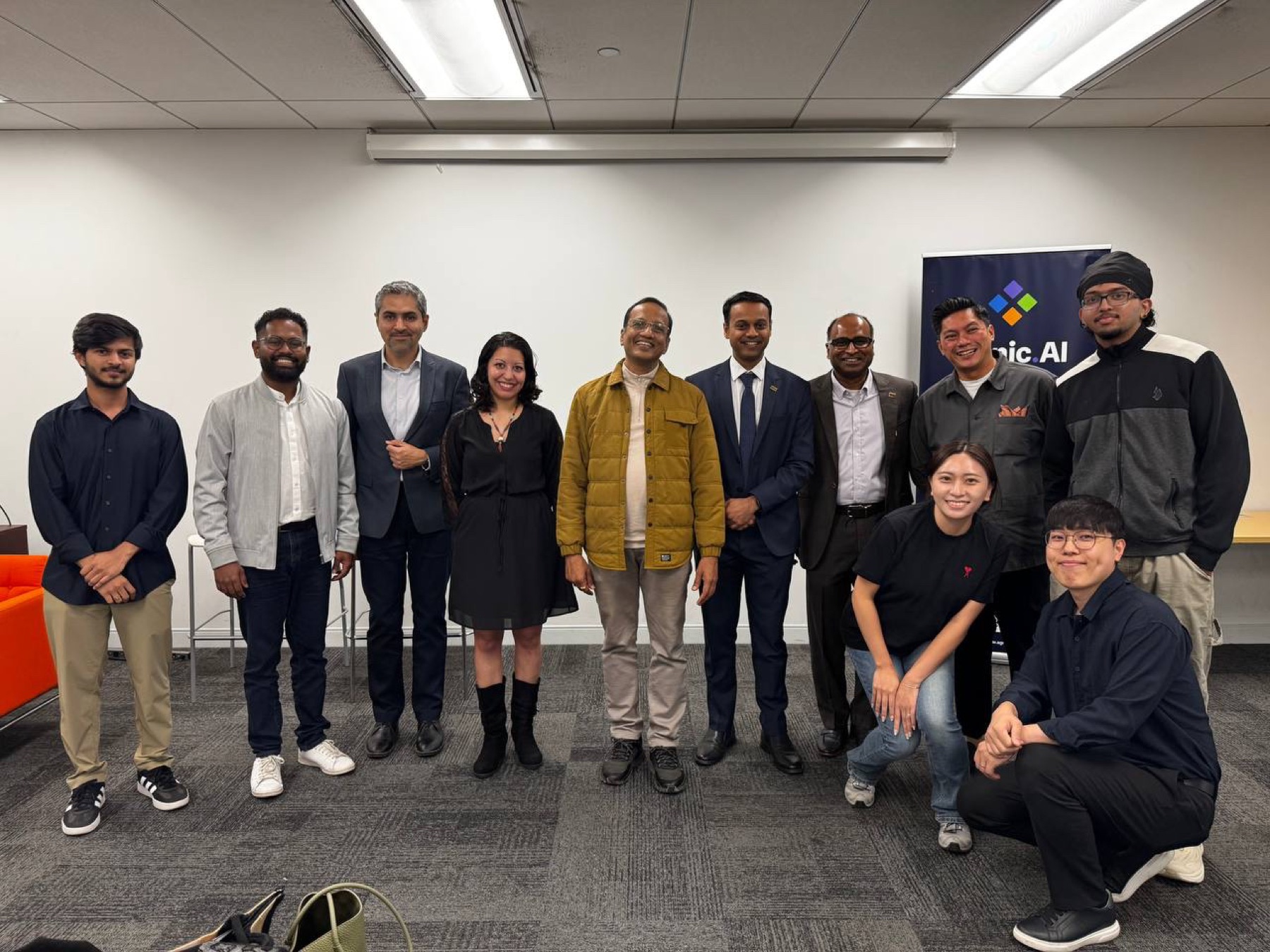
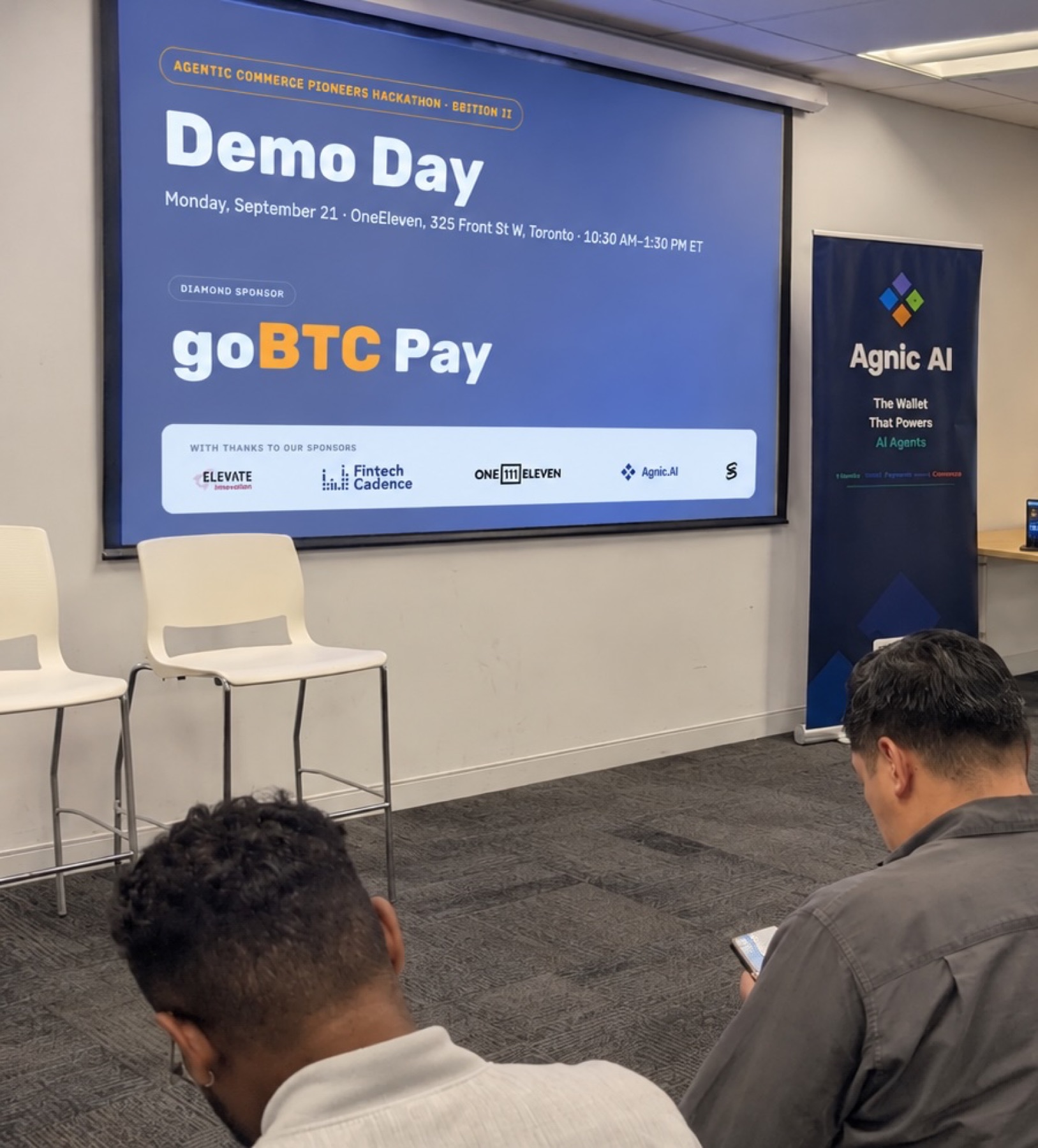
Agnic.AI’s second Agentic Commerce Pioneers hackathon concluded with a hybrid Demo Day at OneEleven in Toronto on September 21, 2026. Following a remote build sprint from September 15–20, seven teams presented working projects that connected AI decision-making with purchasing and payments. Sentinel won the Agentic Checkout track, while TrendSpot Market won the Pay with Bitcoin track backed by Diamond Sponsor GoBTC Pay, part of GoMining.
The strongest theme across the demonstrations was control. Teams built spending limits, approval steps, escrow, and checks that stop a transaction when conditions change. The event showed how builders are approaching a practical challenge for agentic commerce: giving agents the ability to transact while preserving the user’s authority over the outcome.
Two tracks from intent to payment
The main Agentic Checkout track challenged teams to move from a shopping request to a confirmed, paid order using Agnic’s commerce APIs and signed spending mandates. The Pay with Bitcoin track asked builders to give agents Bitcoin payment capabilities through GoBTC Pay. Both tracks were evaluated on a shared 100-point rubric covering functionality, technical depth, real-world potential, and presentation.
Demo Day combined presentations in the Toronto room with teams and judges joining remotely. That format brought consumer shopping, business procurement, creative services, and cross-border commerce into the same discussion, exposing different requirements for consent, fulfillment, and payment release.
Bitcoin as a payment tool for agents
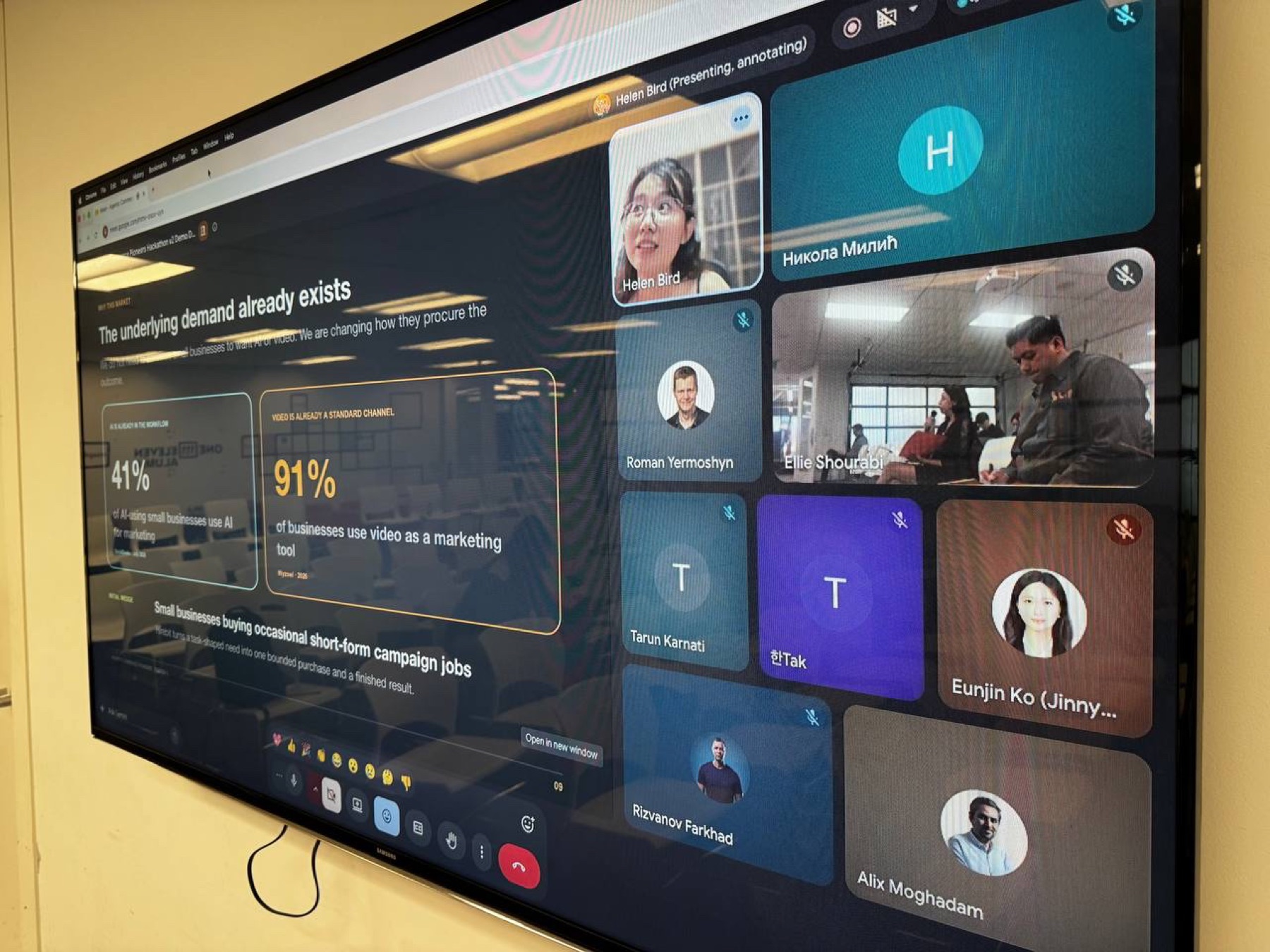
Roman Yermoshyn, General Manager of GoBTC Pay, opened Demo Day with a remote keynote on Bitcoin payments and the company’s ambitions for agent transactions. He described a move from mining infrastructure toward everyday spending and positioned the hackathon as an opportunity to identify practical use cases for agents that pay and receive payment.
The Bitcoin track gave those ideas a concrete setting. Projects explored how payment authorization, escrow, and delivery conditions could support transactions across suppliers and service providers. The demonstrations also prompted questions about compliance and risk when funds and fulfillment cross borders.
Sentinel: approval before purchase
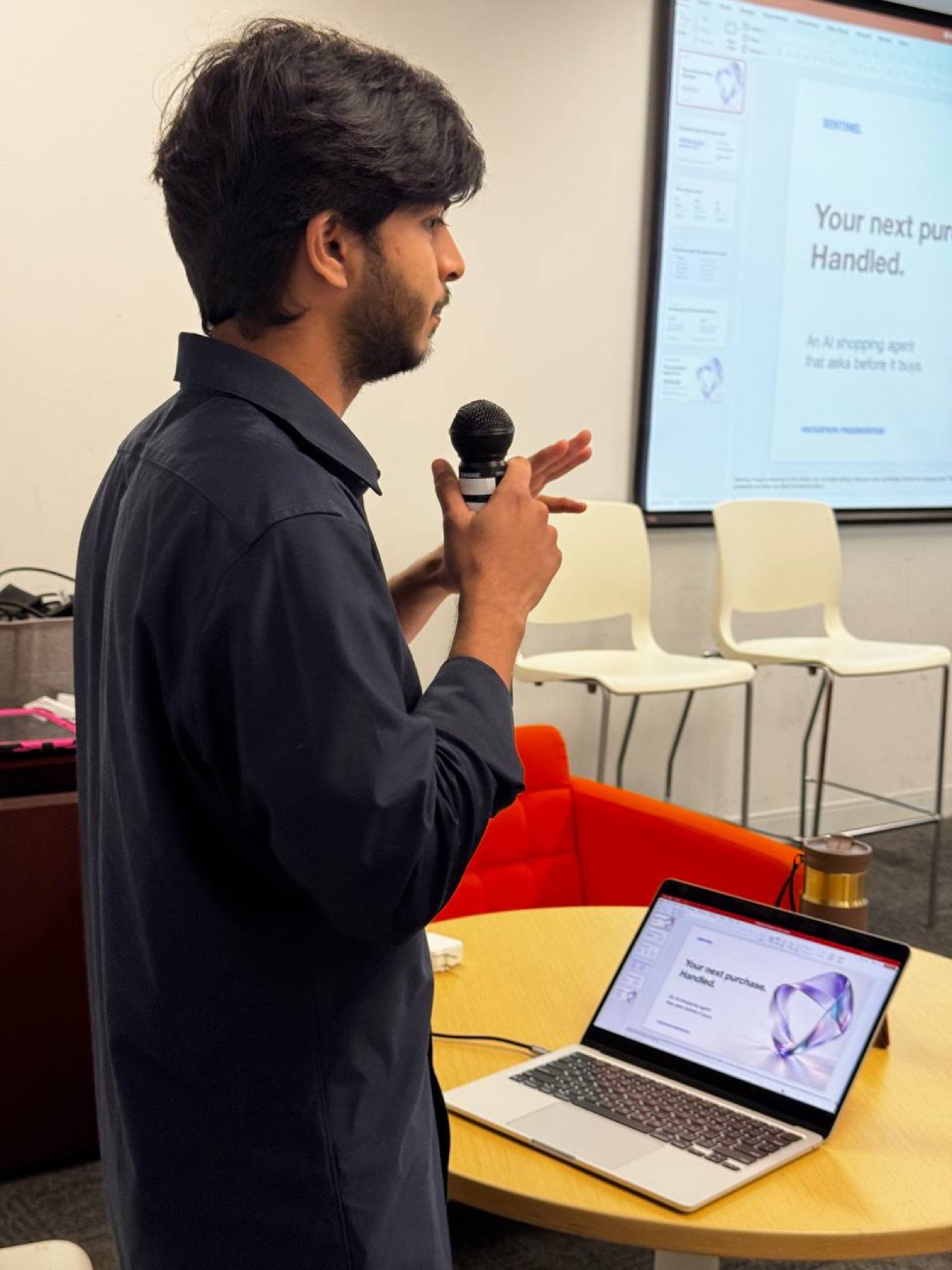
Built by Tarun Karnati, Sentinel won the Agentic Checkout track with an AI shopping agent designed to ask before it buys. A user can describe a purchase, photograph a damaged item to find a compatible replacement, or share a setup to identify and price its components. Options are checked against the user’s budget, with approval required before spending.
Its transaction safeguards were central to the presentation. A checkout lasting more than two minutes is voided; a double click or page refresh ends the session; and payment card details remain with Agnic rather than inside the agent. These choices treat interrupted or uncertain execution as a reason to stop, helping prevent a shopping recommendation from becoming an unintended purchase.
TrendSpot Market: commerce around emerging trends
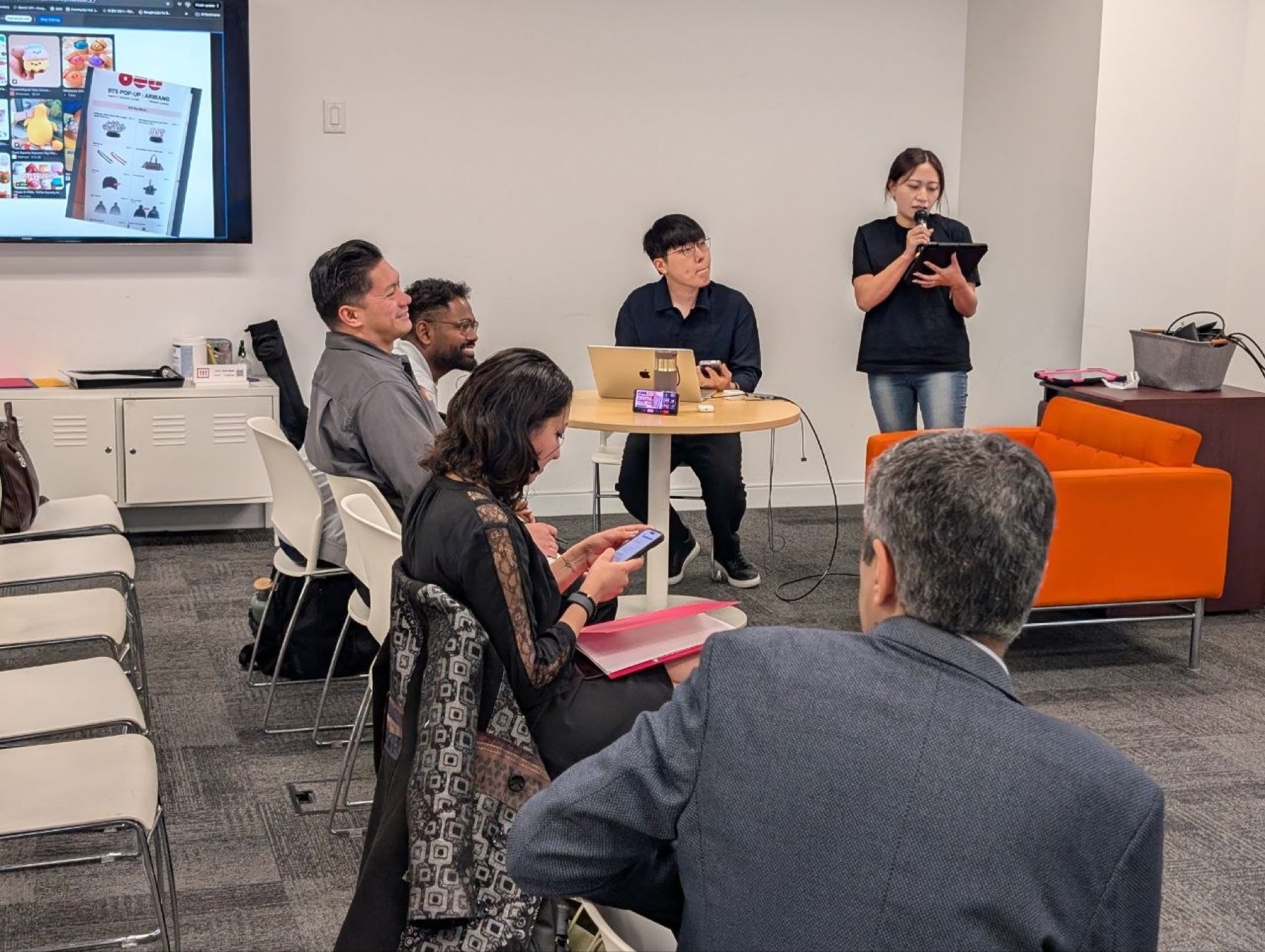
Jinny Ko and ByeongTak Han’s TrendSpot Market won the Pay with Bitcoin track. The project identifies emerging trends, such as viral toys and K-pop merchandise, and builds storefronts without holding inventory, sourcing products from verified overseas vendors. Its proposed workflow rotates products as trends cool and switches suppliers when prices or exchange rates threaten margins.
Payments use GoBTC Pay’s 2-of-3 multisignature escrow, with vendor payment released after shipment. The team outlined a planned six-month pilot connecting Ontario and South Korea. The project paired rapid storefront creation with a harder operational question: how to protect customers and the merchant when suppliers, pricing, and fulfillment sit across borders.
Five more builds across shopping and business workflows
Every team brought a working build to Demo Day. Alongside the winners, the projects showed how different forms of commerce require different controls:
- Onyx: a B2B ordering agent for cafés and local businesses. It onboards suppliers by domain, compares catalogs and prices, and protects ordering with token limits, a signed basket mandate, and approval with an authenticator check.
- Aisle: a shopping agent for time-strapped university students, combining persona tags, ranked product choices, and a learning loop based on what users click and buy.
- CommerceGov: an authority control plane with policy limits, human approval above a spending envelope, checks against live store state, and an immutable audit trail.
- Hirebit: an agent that buys creative work against a goal, deadline, and budget in sats. Funds remain in escrow until delivery; over-budget options are excluded, and a mid-deal price change stops the order.
- Creator Wishlist: a gifting experience that lets fans, or their agents, purchase items from a creator’s wishlist.
What the judges tested
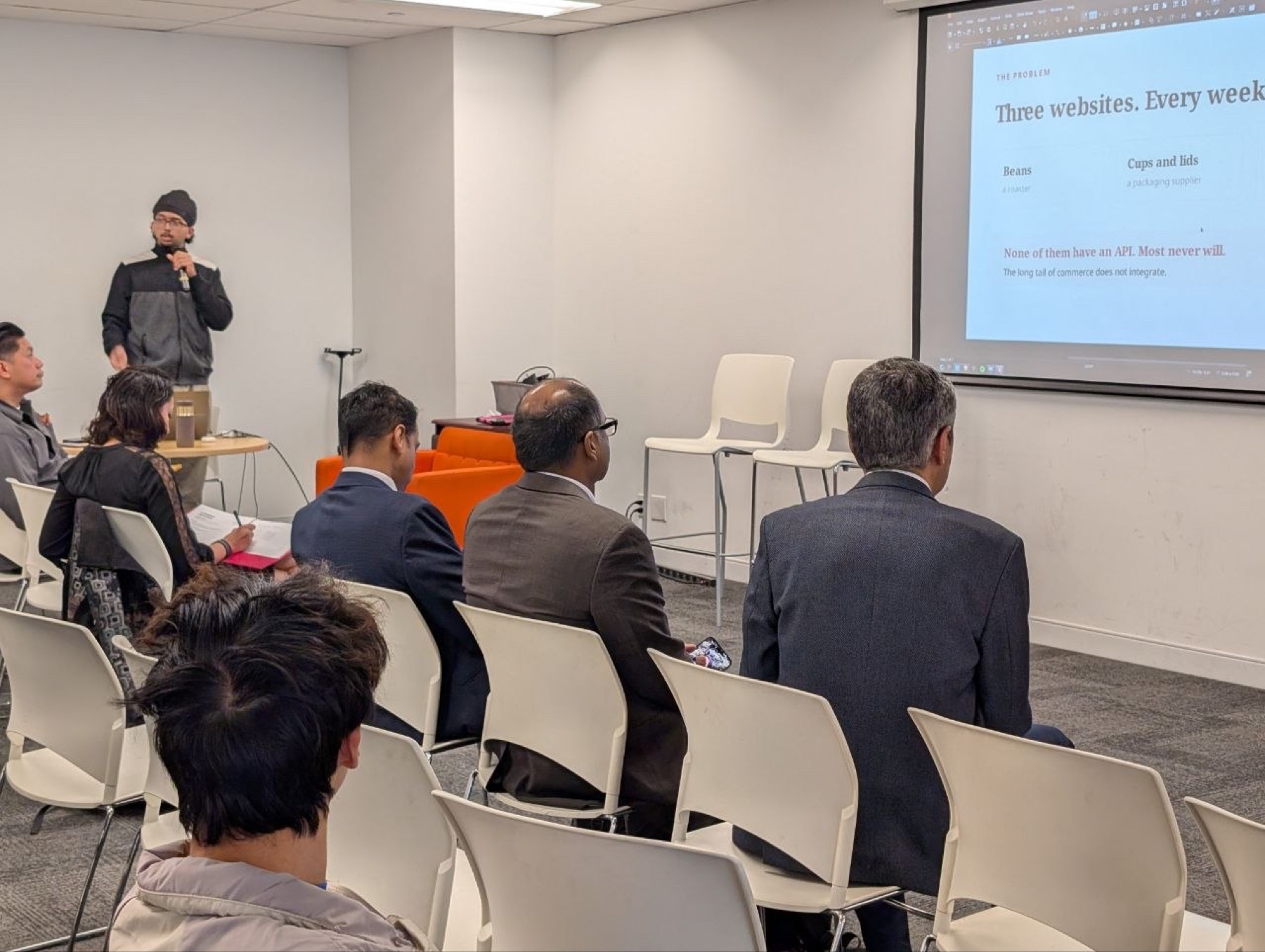
The judges’ questions went beyond whether a demo could complete a payment. They examined how an agent proves user consent, how easily a real merchant can be reached, what happens when an unknown vendor is selected, and how escrow arrangements handle cross-border compliance. They also pressed teams on what a focused product offers beyond a general-purpose assistant.
Nisrine Labcir, Innovation Lead at Interac, emphasized the opportunity for Canadian builders to combine agentic commerce with digital assets while preserving human consent. Her comments also raised a question of alignment: how to ensure an agent acts in the interests of the person it represents.
Tom Pawelkiewicz, VP, Digital Payments at Mastercard, distinguished keeping humans in control from requiring them to approve every transaction. He stressed that adoption depends on trust and partnerships across merchants, payment providers, networks, issuers, and AI platforms. He also urged builders to consider the entire journey, including personalization before a purchase and customer service when something goes wrong afterward.
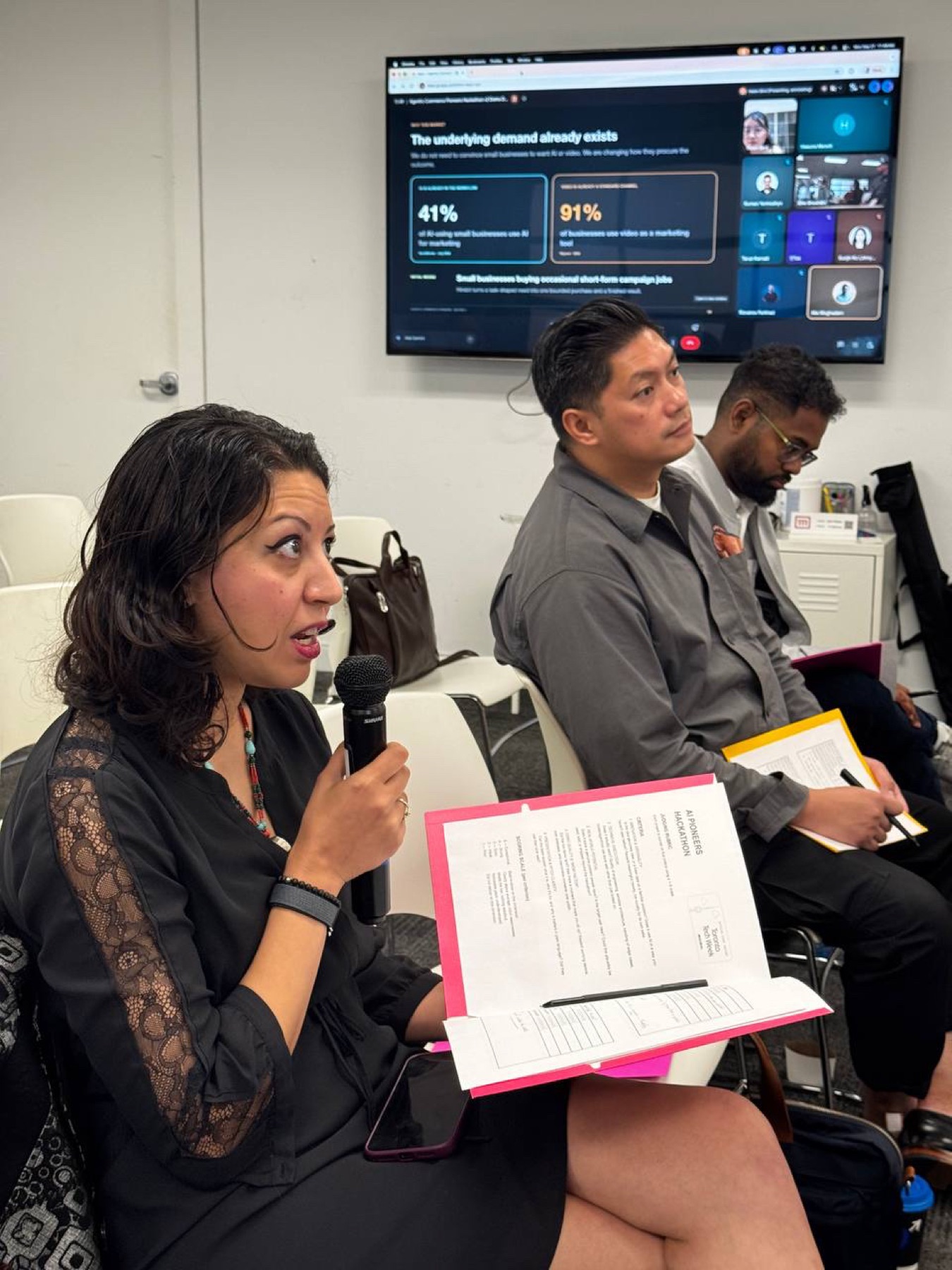
The eight judges brought perspectives from payments, venture, and innovation: Roman Yermoshyn of GoBTC Pay; Tom Pawelkiewicz of Mastercard; Nisrine Labcir of Interac; Angelo Casanas and Vithu Vijay of Elevate; Babu Nair of Financial Technology Frontiers; Farshad Nowshadi of Level39; and Asad Safari of Agnic.AI.
A foundation for the next round of building
Edition II illustrated why execution controls belong in the product from the outset. A useful agent must handle changes in price, delays in checkout, uncertain fulfillment, and requests outside its mandate. The teams approached those conditions with explicit limits and stopping rules, giving the hackathon a practical focus on accountable commerce.
Agnic.AI thanks GoBTC Pay and GoMining for backing the Bitcoin track, OneEleven for hosting Demo Day, Elevate as innovation partner, and Fintech Cadence as community and ecosystem partner. The company also thanks the builders and judges who contributed their work and feedback.
The series continues Agnic.AI’s effort to help builders make businesses discoverable and payable by agents. Teams interested in continuing their projects are invited to connect with Agnic.AI about developing their hackathon builds into businesses. Read the full Edition II Demo Day report for further details.